
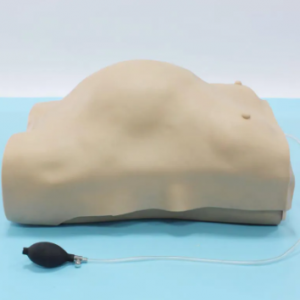
Computerized pregnant woman examination models are widely used in nursing, midwifery and clinical teaching, and are important tools for improving the ability of pregnancy assessment and emergency handling. Its intelligent system can simulate the physiological changes at different gestational weeks, such as fetal heart rate, uterine contractions, fetal position and maternal vital signs, allowing students to conduct systematic learning in an environment close to reality.
In college teaching, the model is used to standardize the training of routine prenatal examinations, including abdominal circumference measurement, uterine height assessment, fetal heart rate monitoring, and fetal position palpation, enabling learners to master the basic skills proficiently. In hospital training, it can assist medical staff in conducting prenatal screening, diagnosing abnormal conditions and practicing obstetric emergency scenarios, such as identifying abnormal fetal heart rates and assessing threatened preterm birth.
In addition, this model can also be used in pregnant women's schools and health education, enabling expectant parents to understand the process and significance of prenatal check-ups, and enhancing their cooperation with medical visits and safety awareness. Through visual and data-driven training, the computerized pregnant woman examination model effectively enhances clinical judgment capabilities and the practical level of obstetric care.